

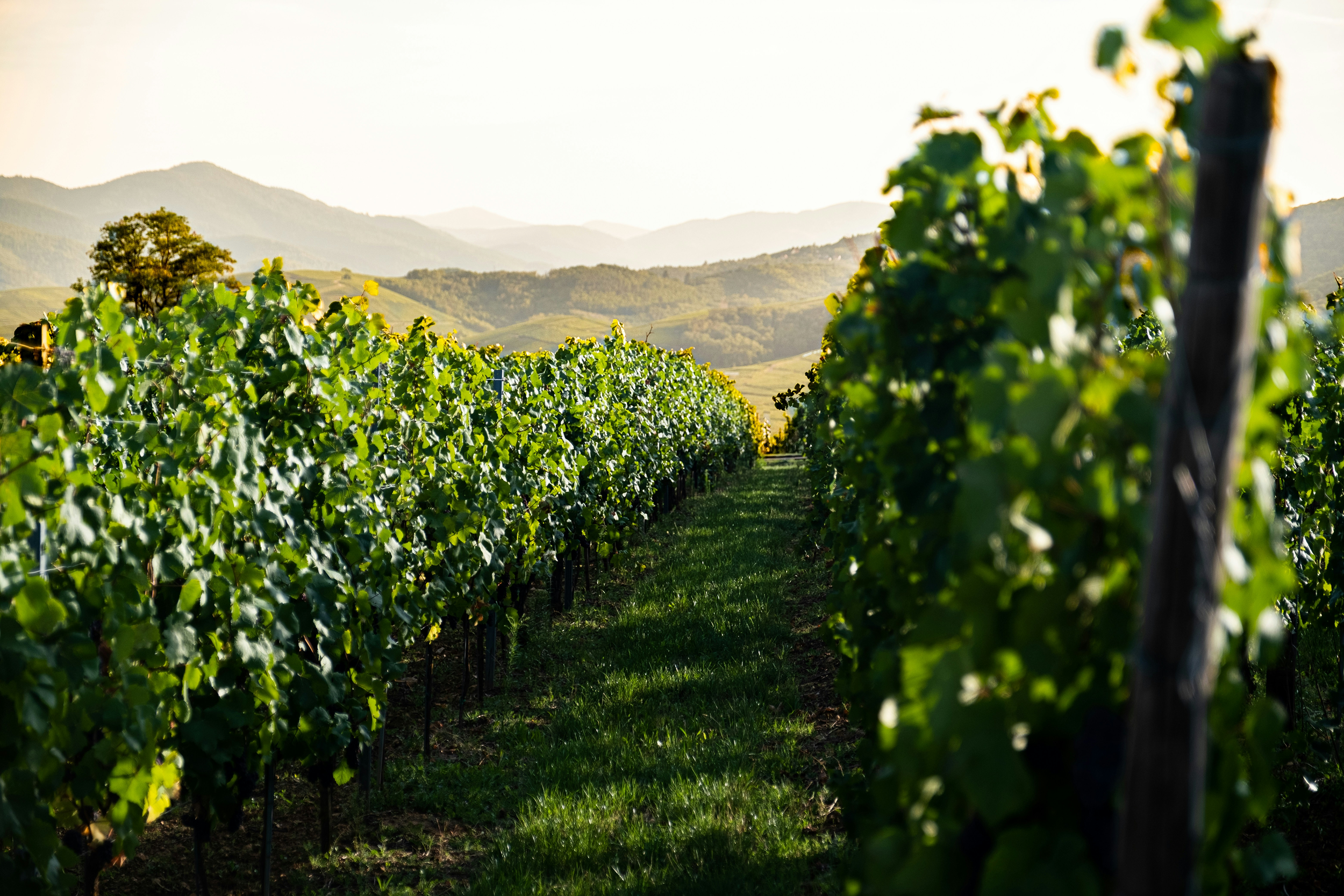
It has been an unusual year in Champagne. Several cold nights in April damaged around 40% of the earliest buds across the region’s vineyards. Then came the hottest June on record, accelerating vine development so rapidly that winemakers faced a harvest beginning as early as mid-August, making it one of the earliest on record. As a result, the total yield from the 2026 Champagne harvest is expected to be roughly 10% lower than last year.
You might expect such extreme weather conditions to have a major impact on the Champagne that eventually reaches your glass. With non-vintage Champagne, however, that is much less likely to be the case.
The reason comes down to vins de réserve, or reserve wines, and the art of assemblage.
The winemaker’s library: what are vins de réserve?
How assemblage creates balance
The process of bringing together different base wines and reserve wines is known in Champagne as assemblage. It gives winemakers something particularly valuable in an unpredictable climate: balance and control.
Cooler growing seasons naturally produce base wines with higher acidity and bright, fresh flavours. Warmer years tend to bring riper fruit and a rounder, fuller style. On their own, extreme weather conditions can push a wine strongly in one direction.
By combining younger, riper wines with older reserve wines from cooler years, winemakers can balance fresh acidity with greater depth and richness. Reserve wines therefore provide an important safety net in Champagne, helping to balance the influence of one exceptional harvest before the Champagne eventually reaches the bottle.
How Champagne houses preserve their house style
Assemblage is not about hiding the character of a harvest. It is about continuity.
Every harvest in Champagne brings something different. By drawing on reserve wines from previous years, producers can preserve the recognisable style and quality of their Champagne year after year.
That is why a non-vintage Champagne you enjoy today can still taste wonderfully familiar years from now, even though the grapes behind each bottling may have grown under completely different conditions.
What is the difference between non-vintage and vintage Champagne?
Vintage Champagne, known in Champagne as millésimé, follows a different philosophy.
A vintage Champagne is made from grapes from one specific harvest year. Unlike non-vintage Champagne, reserve wines from other harvests are not added. The resulting Champagne therefore offers a unique expression of the conditions and character of that particular year.
That is also why vintage Champagne is not produced every year. A producer will only declare a millésimé when a harvest is considered strong and balanced enough to stand entirely on its own.
Non-vintage Champagne, by contrast, is built on the harmony of multiple years. When you eventually open a bottle that includes wines from the 2026 Champagne harvest, the spring frosts and summer heat will not be the only factors shaping what you taste. Thanks to reserve wines and assemblage, 2026 will become just one part of a much bigger story.
Blanc de Noirs: white champagne from red grapes