

Buy Champagne at L'Atelier du Champagne in Amsterdam. Our boutique selection features carefully chosen cuvées from both renowned houses and independent producers. Each bottle is selected for its character, balance, and excellent value.

Vintage 1999 R.D.
Vendor:Bollinger

Vintage 1999 R.D.

€599,00
Du soliste à l'orchestre en 2002 in giftbox

BOTTLEFINDER

Not sure which bottle is right for you?

Take the quiz
Cuvée Columbus '92
Bouzy blanc 'Les Hautes' magnum (1,5 liter)
L'Egarée

L'Egarée

€82,50
Vintage 2005 Clos Saint Hilaire
Vintage 2013 La Côte aux Enfants in giftbox
Save 7%
Vintage 1982 Hors Série - giftbox

Vintage 1982 Hors Série - giftbox

Sale price€605,00Regular price €650,00
Hommage à Camille rouge 2020
Vintage 2013 Avize Champ Caïn
Vintage 2017 Largillier
Vintage 2013 (July 2022)
Ay Rouge 2020 magnum (1,5 liter)
Vertus Blanc 2020 magnum (1,5 liter)
l'Apôtre LV99 magnum (1,5 liter)
l'Artiste LV99 magnum (1,5 liter)
L'Amateur LV99 magnum (1,5 liter)
En Vieux Fombrés Blanc 2019 magnum (1,5 liter)
Vintage 2002 magnum (1,5 liter) giftbox
Rouge Entière 2018
Vendor:Coessens
Rouge Egrappée 2018
Vendor:Coessens
Coteaux champenois Saint-Agnan Rouge 2018
Coteaux champenois Mcn meunier
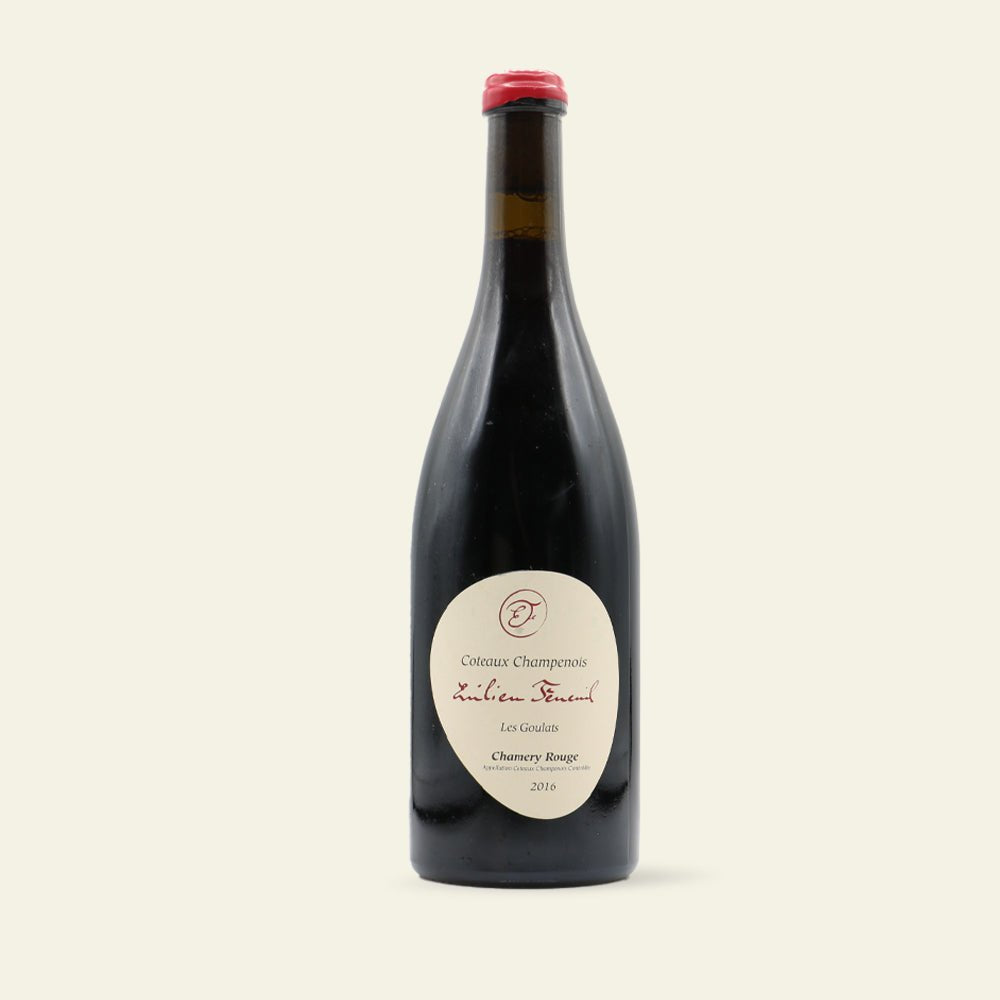
Coteaux champenois mcN pinot noir
Brut Gold magnum (1.5 liter) giftbox
bar_wijnmakers

TASTING

Discover champagne with a tasting

Book your tasting
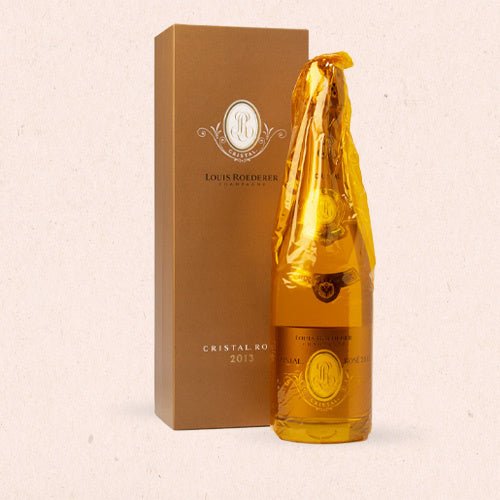
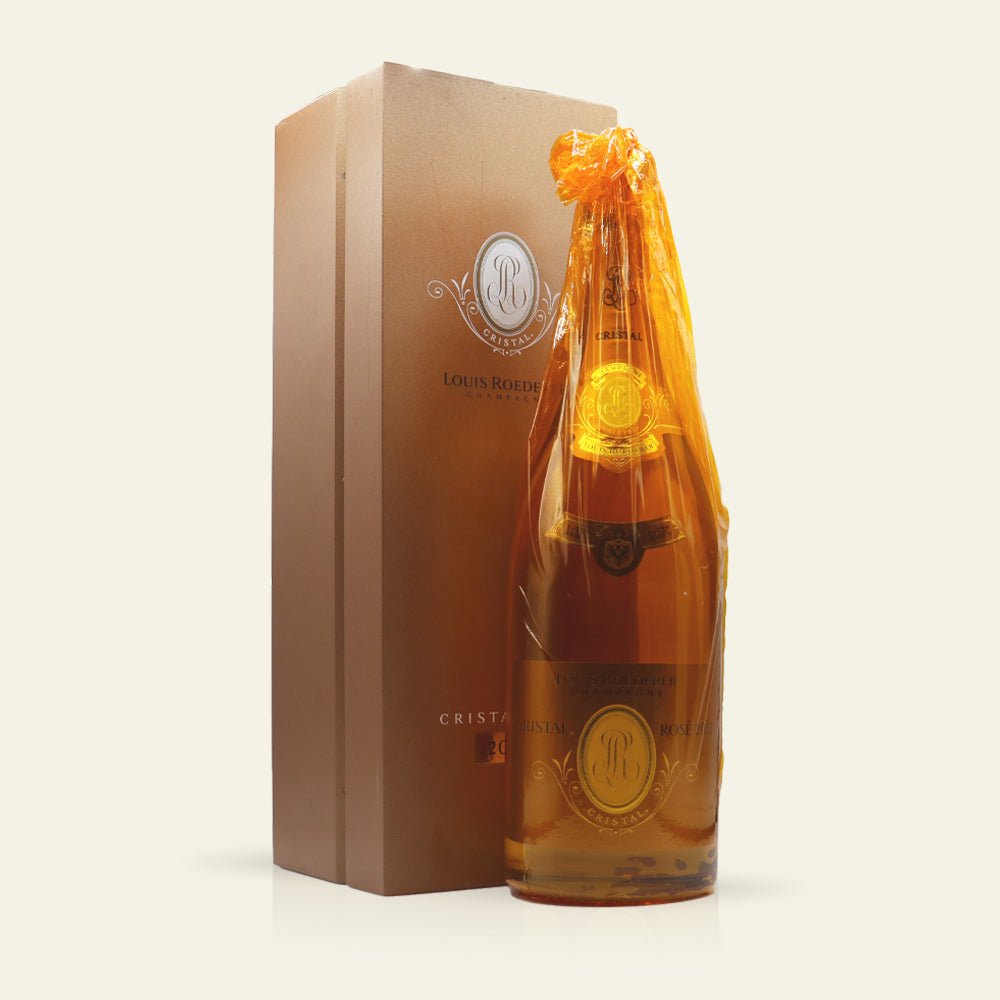
Vintage 2013 Cristal Rosé giftbox
Vintage 2000 Cristal Rose Vinothèque (giftbox)
Vintage 2012 Rosé Giftbox magnum (1,5 liter)
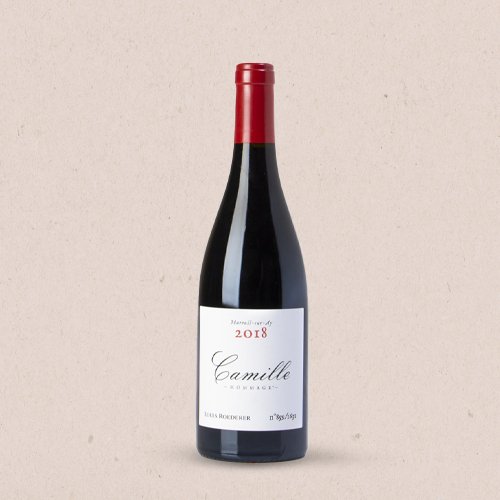
Hommage à Camille rouge 2018
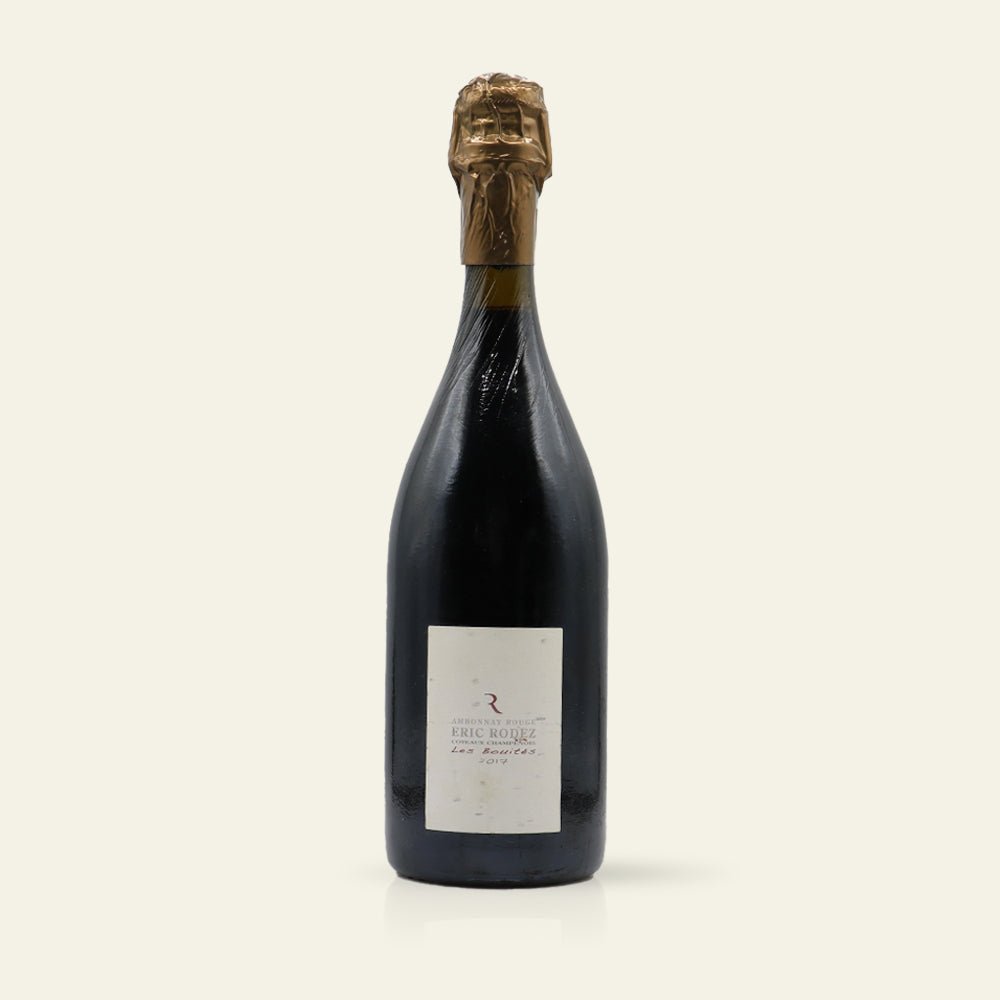
Les Bouités Ambonnay Rouge, 2017
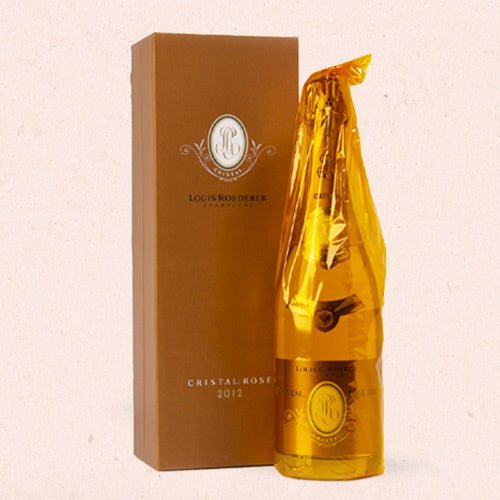
Vintage 2012 Cristal Rosé (giftbox)

Champagne is typically made from three types of grapes: Chardonnay, Pinot Noir, and Pinot Meunier. The grapes are harvested and then pressed to extract the juice, which is then fermented in large stainless steel tanks or oak barrels.

After the initial fermentation, the wine is bottled with additional yeast and sugar, and then sealed with a crown cap. This triggers a second fermentation process, which produces carbon dioxide and creates the bubbles in the wine.

The bottles are then stored horizontally in cellars for a minimum of 15 months, but many high-quality Champagnes are aged for several years to develop complex flavors and aromas. During this time, the bottles are regularly rotated and turned, a process called "riddling," to help remove sediment and yeast from the wine.

When the aging process is complete, the bottles are disgorged to remove the sediment and then corked with a mushroom-shaped cork and a wire cage to hold it in place.

Champagne is often associated with celebrations and luxury, and it is enjoyed around the world as a symbol of refinement and sophistication. There are many different styles of Champagne, ranging from dry and crisp to sweet and fruity, so there is something to suit almost every taste.